
Emergency Orthodontics in Chapel Hill, NC
If you have a broken bracket, poking wire, loose appliance, lost retainer, cracked aligner, lost aligner, or orthodontic discomfort, call Clifton & Mauney at 919.933.1007 for orthodontic emergency guidance in Chapel Hill, NC.
True orthodontic emergencies are rare, but braces, aligners, retainers, and orthodontic appliances can still cause discomfort or treatment delays when something breaks, shifts, or stops fitting correctly. Calling our office quickly can help you understand what to do next and whether your child, teen, or family member needs to be seen.
This page is focused on orthodontic emergencies, not general pediatric dental emergencies. Severe bleeding, trouble breathing or swallowing, a suspected broken jaw, major facial trauma, a knocked-out permanent tooth, severe swelling, fever, or signs of infection should be treated as urgent medical or dental emergencies first. If you are unsure whether the issue is orthodontic, dental, or medical, call for guidance or seek emergency care when symptoms appear serious.
Clifton & Mauney offers calm, call-first orthodontic support for families in Chapel Hill, Carrboro, Durham, Hillsborough, Orange County, Durham County, and nearby communities.
Need help now? Orthodontic emergency triage
If something breaks, feels sharp, causes pain, or no longer fits, the first step is figuring out whether you need emergency medical or dental care, orthodontic guidance, or temporary comfort steps while you monitor the issue.Table of Contents
| Situation | What to do now | Best next step |
|---|---|---|
| Heavy bleeding, trouble breathing or swallowing, suspected broken jaw, major facial trauma, knocked-out permanent tooth, severe swelling, fever, or signs of infection | Seek emergency medical or urgent dental care first. These may be medical or dental emergencies, not routine orthodontic issues. | Call 911, go to the emergency room, or contact an urgent dental provider depending on the severity of the situation. Call Clifton & Mauney afterward for orthodontic follow-up if braces, aligners, or appliances were affected. |
| Broken bracket, poking wire, loose band, loose appliance, lost retainer, cracked aligner, lost aligner, warped aligner, or aligner that does not seat properly | Call Clifton & Mauney for orthodontic emergency guidance. Use temporary comfort steps only if they are safe and appropriate while you wait for instructions. | Call 919.933.1007 so our team can help determine whether you need an appointment, appliance repair, replacement guidance, or monitoring. |
| Mild soreness, minor irritation, mouth sores, or food stuck in braces | Try basic comfort steps such as rinsing, orthodontic wax, soft foods, or cleaning around the area if you can do so safely. | Call if pain, swelling, bleeding, pressure, or irritation does not improve, or if you are unsure what to do. |
What counts as an orthodontic emergency?
An orthodontic emergency is any issue with braces, wires, appliances, aligners, or retainers that causes significant discomfort, creates injury risk, interferes with eating or speaking, or may affect treatment progress if left unaddressed.1
It helps to separate orthodontic concerns into three groups: true medical or dental emergencies, orthodontic problems, and common orthodontic discomforts.
True medical or dental emergencies may include:
- Severe bleeding
- Trouble breathing or swallowing
- Suspected broken jaw
- Major facial trauma
- Knocked-out permanent tooth
- Severe swelling
- Fever
- Signs of infection
- Severe pain after an injury
These situations should be handled through emergency medical or urgent dental care first.
Orthodontic problems may include:
- Poking wires
- Loose or broken brackets
- Loose bands
- Broken appliances
- Loose expanders
- Lost retainers
- Broken retainers
- Distorted aligners
- Cracked or lost aligners
- Pain that affects eating, speaking, or sleeping
These issues may not be life-threatening, but they can cause discomfort or slow orthodontic progress. Call Clifton & Mauney so the team can help you decide what to do next.
Common orthodontic discomforts may include:
- Mild soreness after braces adjustments
- Minor irritation from brackets or wires
- Mouth sores
- Food caught in braces
- Temporary pressure after a new aligner
- General tenderness after appliance adjustments
These concerns may improve with basic comfort steps, but you should still call if symptoms worsen or do not improve.
What to do for common braces emergencies
Braces emergencies can feel stressful, especially when a child or teen is uncomfortable. Most broken braces issues are manageable with calm guidance from your orthodontic team.
If your child has braces or Damon braces and something feels loose, sharp, broken, or uncomfortable, call Clifton & Mauney before trying to fix it at home.
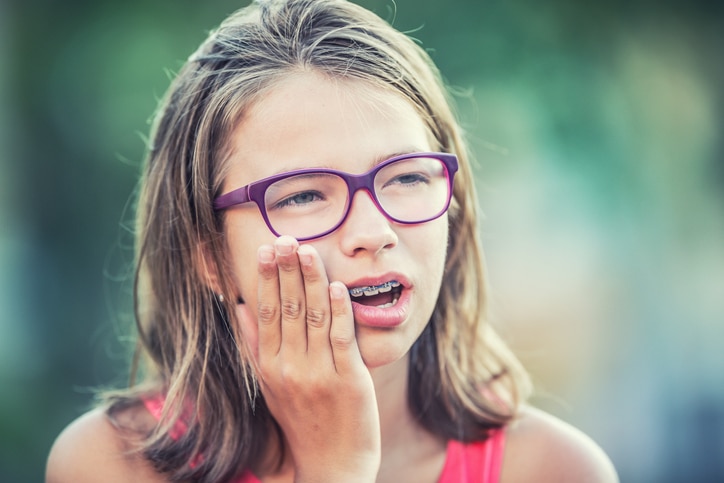
Poking or loose wire
An archwire may slide out of place and poke the cheek, lip, gum, or tongue. It may feel sharp, irritating, or painful when your child talks, eats, or closes their mouth.
Orthodontic wax may help cover the sharp area as a temporary comfort step. If the wire is causing irritation, soft foods and avoiding chewing on that side may also help until you receive guidance.
Call Clifton & Mauney if the wire is painful, sharp, cannot be covered with wax, causes bleeding, or keeps irritating the mouth.
Do not bend, cut, or pull on the wire unless the orthodontic team specifically tells you to. Cutting a wire can create a swallowing or inhalation risk if done incorrectly.

Loose or broken bracket
A bracket may feel loose, move along the wire, or appear detached from the tooth. This can happen because of hard foods, sticky foods, sports impact, or normal wear during treatment.
If the bracket is still attached to the wire, leave it in place and call the office. Orthodontic wax may help if the bracket is irritating the cheek or lip.2
Call Clifton & Mauney if a bracket is loose, broken, sliding on the wire, or causing discomfort. A loose bracket can sometimes slow treatment progress if left unaddressed.
Do not pull the bracket off if it is still attached to the wire. Do not try to glue it back onto the tooth.
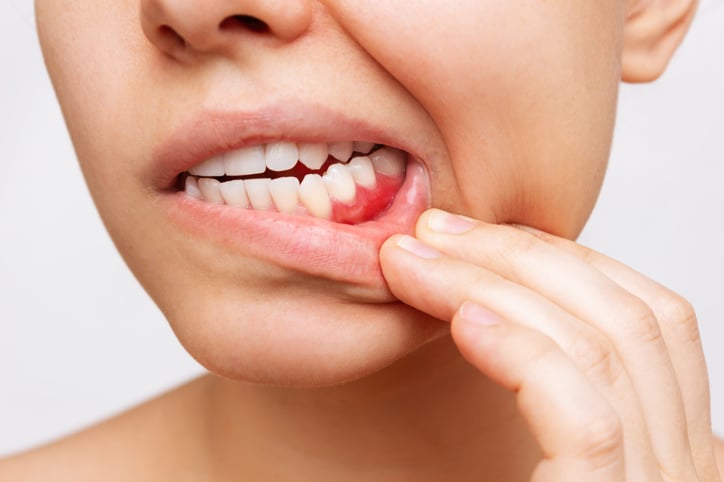
Loose band, expander, or orthodontic appliance
A band, expander, or orthodontic appliance may feel loose, shift when your child bites, rub the tongue or cheeks, or no longer feel stable.
Call the office for guidance. If an appliance comes out completely, save it and bring it with you to the appointment.
Call as soon as you notice that an expander, band, or appliance is loose, broken, bent, or no longer fitting correctly.
Do not wiggle, bend, pull, or force the appliance back into place. This could cause irritation or change how the appliance fits.
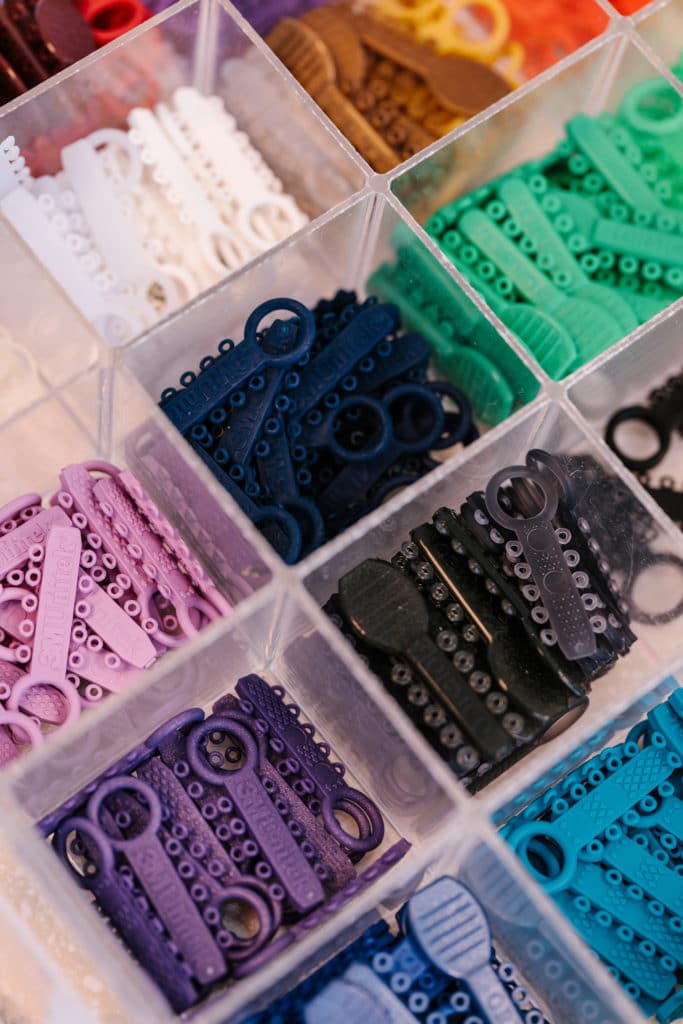
Lost or broken ligature, elastic, or power chain
Ligatures, elastics, and power chains are small orthodontic parts that help hold wires or guide tooth movement. If one comes off, a wire may feel loose or a tooth may not be moving as planned.
If one small tie comes off and there is no pain, call for guidance during office hours. If multiple ties are missing or the wire feels unstable, call sooner.
Call if one or more ligatures, elastics, or power chain sections come off, especially if the wire is no longer being held securely.
Do not try to replace a power chain or ligature yourself unless the orthodontic team has specifically shown you how to handle that situation.
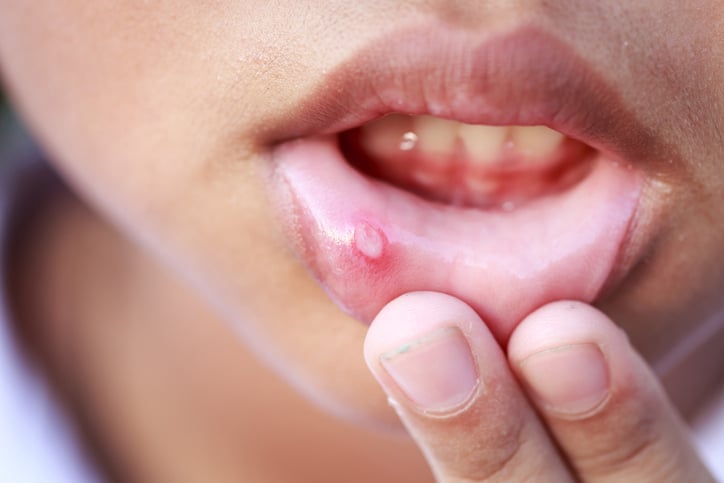
Mouth sores or irritated lips and cheeks
Brackets, wires, aligners, or appliances may rub the inside of the mouth and cause tenderness, sores, or irritation.
Orthodontic wax may help create a smoother surface. Warm saltwater rinses and soft foods may also help with temporary comfort.
Call if irritation worsens, bleeding occurs, sores do not improve, or your child is having trouble eating, speaking, or sleeping.
Do not ignore worsening sores, swelling, or bleeding. Do not place anything sharp or unsafe in the mouth to adjust the appliance.

Soreness after braces adjustments
Mild soreness, pressure, or tenderness can happen after braces are placed or adjusted. This is usually temporary and may improve as the mouth adjusts.
What you can do now
Soft foods, warm saltwater rinses, and rest may help. Over-the-counter pain relievers should only be used as directed by the parent, patient’s medical provider, or product label.
Call if pain is severe, does not improve, affects eating or sleeping, or feels different from typical adjustment soreness.
Do not assume severe or worsening pain is normal. Call if you are concerned.

Food caught in braces
Food may become trapped between brackets, wires, teeth, or appliances. This can cause pressure, irritation, bad taste, or discomfort.
Rinsing with water, brushing carefully, using floss threaders, or using interdental brushes may help remove food safely.
Call if food remains stuck, pain continues, swelling develops, or bleeding does not stop.
Do not use sharp household objects, pins, needles, or metal tools to remove food from braces.

Swallowed or inhaled appliance part
A small orthodontic part may come loose and be swallowed or, more rarely, inhaled. The person may cough, gag, feel throat discomfort, or worry that something went down the wrong way.
Call for guidance. If the person is breathing normally and has no severe symptoms, the office can help you determine the next step.
Suspected inhalation, trouble breathing, excessive coughing, choking, chest discomfort, or severe throat discomfort should be treated as urgent.
Do not attempt risky at-home retrieval if doing so could cause harm. Seek urgent care if breathing, choking, or airway symptoms are present.
Clear aligner and retainer emergencies
Clear aligner and retainer issues can affect fit, comfort, and treatment progress. If you lose an aligner, crack a tray, warp a tray, lose a retainer, break a retainer, or notice that an aligner no longer seats properly, call Clifton & Mauney before changing trays or stopping wear.
The right next step depends on your treatment stage, appliance fit, and clinical plan. Some patients may need a replacement. Others may need instructions about whether to wear a previous aligner, current aligner, next aligner, or retainer. Because this varies, it is best to call for guidance. Our pediatric dental care is here to help; we also offer emergency pediatric dentist services.
Lost clear aligner
If you lose a clear aligner, call Clifton & Mauney before switching trays. The team can help determine whether you should use a previous tray, stay in the current stage, move forward, or order a replacement.
Cracked or warped aligner
A cracked or warped aligner may not move teeth as planned. Do not continue wearing an aligner that hurts, cuts the mouth, or no longer fits correctly without calling the office.
Invisalign emergency
If an Invisalign tray is lost, cracked, warped, or not seating properly, call before changing trays. The right step may depend on your treatment plan and where you are in the series.
Spark Aligners emergency
If a Spark Aligners tray is damaged, lost, or not fitting correctly, call the office before changing trays or pausing wear.
Lost or broken retainer
A lost retainer or broken retainer should be addressed quickly because teeth can begin to shift. Call Clifton & Mauney for replacement guidance. If you still have the broken retainer, save it and bring it with you.
Retainer no longer fits
If a retainer feels too tight, does not seat fully, causes pain, or no longer fits, do not force it into place. Call the office so the team can help determine what to do next.
If the issue involves tooth trauma, severe dental pain, swelling, infection, or a knocked-out tooth, pediatric emergency dental care may be the more appropriate first step.
Why choose Clifton & Mauney for emergency orthodontic guidance?
When something breaks or hurts during orthodontic treatment, families need calm guidance and clear next steps. Clifton & Mauney offers emergency orthodontic guidance from a Chapel Hill team that understands braces, retainers, Invisalign, Spark Aligners, clear aligners, pediatric dental needs, and child-friendly care.
Families choose Clifton & Mauney because of:
Orthodontic and pediatric dental care under one roof
Clifton & Mauney brings pediatric dentistry and orthodontics together in one Chapel Hill office, which can be especially helpful when families are unsure whether an issue is orthodontic, dental, or medical.
Calm, call-first guidance
A broken bracket, poking wire, lost retainer, or aligner problem can feel stressful. Our team helps patients understand what to do now and whether they need an appointment.
Child-friendly emergency support
Children and teens may feel nervous when something breaks or hurts. Clifton & Mauney provides a supportive environment designed to help young patients feel more comfortable.
Support for braces, retainers and aligners
Our team can help with issues involving braces, Damon braces, clear aligners, Invisalign, Spark Aligners, retainers, expanders, and other orthodontic appliances.
Local Chapel Hill convenience
Our office supports families from Chapel Hill, Carrboro, Durham, Hillsborough, Orange County, Durham County, and nearby communities.
Trusted local care
Read testimonials to learn more about how the team supports patients and families throughout orthodontic treatment.
Dedicated, professional expert orthodontists
At Clifton & Mauney, your orthodontic care is guided by a team that understands both treatment mechanics and the family experience. Meet our orthodontist to learn more about Dr. Clifton, who helps patients manage braces, aligners, retainers, and appliance concerns with clear communication and compassionate care.



Real emergency support from a local orthodontic team
If approved testimonials are not available for emergency orthodontic care, this section can be skipped or folded into the general testimonials section.
Proudly serving Chapel Hill, Carrboro, Durham, and Hillsborough families
Clifton & Mauney provides emergency orthodontic guidance from our Chapel Hill office. We proudly serve families across Orange County, Durham County, and surrounding Research Triangle communities.
Nearby communities served include:
- Chapel Hill
- Carrboro
- Durham
- Hillsborough
- Orange County
- Durham County
- Chapel Hill neighborhoods and school communities
Our Chapel Hill office is convenient for families near Vilcom Center, I-40, US-15-501, and Martin Luther King Jr. Blvd, as well as families throughout nearby Chapel Hill neighborhoods and school communities. We help with broken braces, poking wires, lost retainers, aligner issues, and orthodontic discomfort close to home. Patients can also explore the Chapel Hill office, Durham service area, Hillsborough service area, and other service areas to learn more about where Clifton & Mauney provides care.
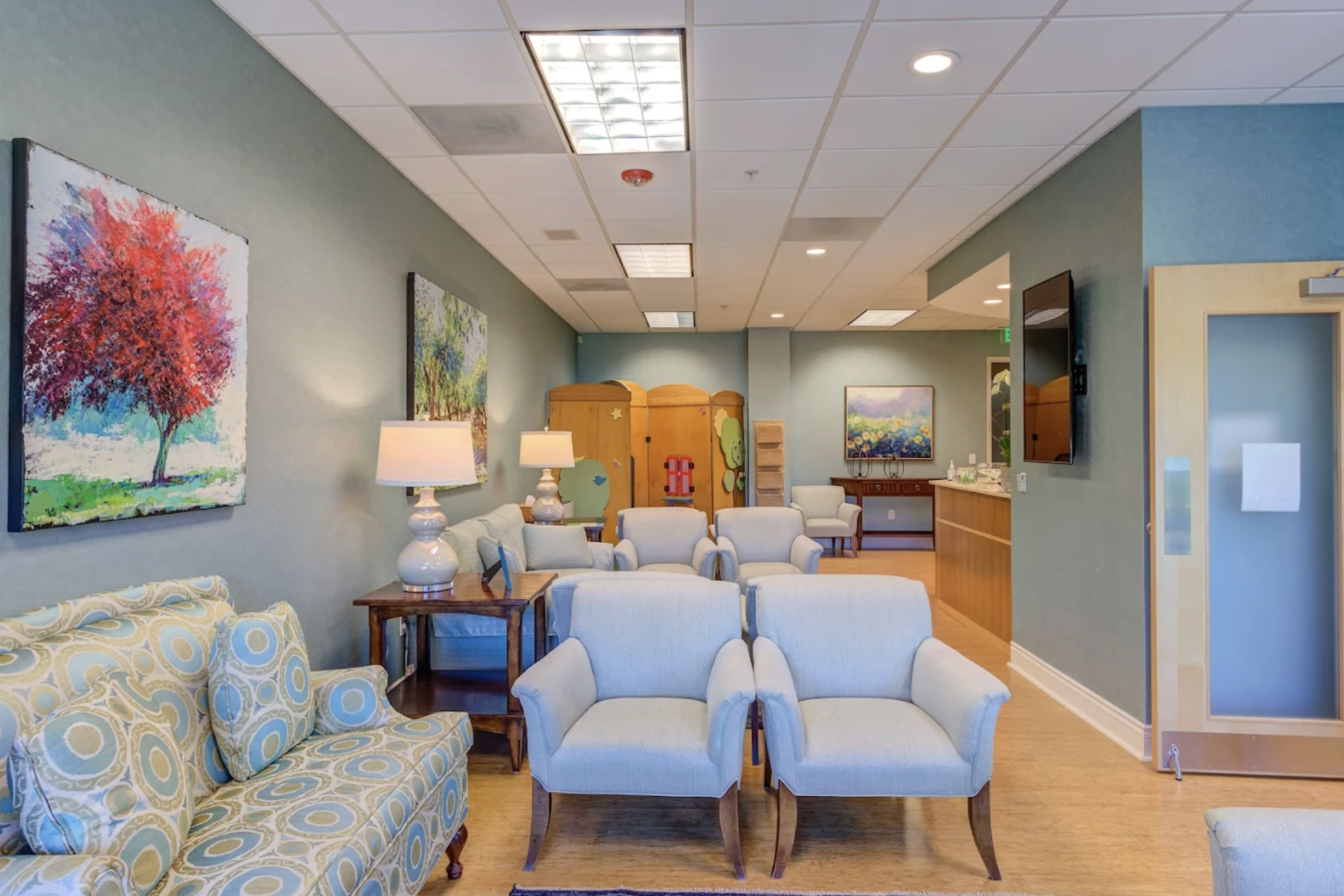
Call for emergency orthodontic help in Chapel Hill, NC
If you have a broken bracket, poking wire, loose appliance, lost retainer, broken retainer, cracked aligner, lost aligner, or orthodontic discomfort, call Clifton & Mauney at 919.933.1007 for guidance.
Our Chapel Hill team offers call-first support, child-friendly care, coordinated pediatric dental and orthodontic knowledge, and clear next steps for families across Orange and Durham counties.
Severe bleeding, trouble breathing or swallowing, suspected broken jaw, major facial trauma, a knocked-out permanent tooth, severe swelling, fever, or signs of infection should be treated as emergency medical or urgent dental concerns first.
FAQs about emergency orthodontics
Call Clifton & Mauney and follow the available instructions for after-hours guidance. If the issue involves severe bleeding, trouble breathing or swallowing, a suspected broken jaw, major facial trauma, a knocked-out permanent tooth, severe swelling, fever, or signs of infection, seek emergency medical or urgent dental care first.
Call the office to explain the issue and ask what options may be available. The team can help you determine whether Clifton & Mauney can assist or whether you should contact your current orthodontist, a dentist, or an emergency provider.
Call Clifton & Mauney before making changes to your braces, aligners, or retainer. If you are far from Chapel Hill and the issue is painful or urgent, the team may recommend contacting a local orthodontist or urgent dental provider for temporary help.
Photos may help the team understand what is happening, but you should call first to confirm the best way to share them. A clear photo of the area, appliance, aligner, or retainer may help the office determine the next step.
Bring any broken bracket, loose appliance, retainer, aligner, elastic, or other orthodontic part if you have it. If you use aligners, bring your current tray and any recent previous or next trays if the office asks you to.
It can, depending on the issue and how long it goes unaddressed. Calling quickly may help reduce discomfort and limit treatment delays.
It may be best to avoid hard, sticky, crunchy, or chewy foods until you speak with the orthodontic team. Soft foods may be more comfortable while you wait for guidance.
Sometimes an emergency visit is focused only on comfort, repair, or appliance guidance. Your regular adjustment may still be needed. The team will let you know whether your scheduled orthodontic visit should stay the same or be changed.
Let the team know when you call. Clifton & Mauney works with children and families often, and the team can help explain what to expect in a calm, child-friendly way.