Daily brushing habits matter, but small details can make a real difference in how effective a routine is. One of the most common questions we hear from parents and patients is where a Waterpik should fit into brushing and flossing, especially for kids with braces, tight spacing, or gum sensitivity. Knowing whether to use a Waterpik before or after brushing helps families build routines that are easier to maintain and more effective over time.
Used the right way, a Waterpik supports healthier gums and helps keep plaque from building up in hard-to-reach areas. The key is finding a routine that fits into daily life without adding unnecessary steps.
What is a Waterpik (water flosser) and how does it work?
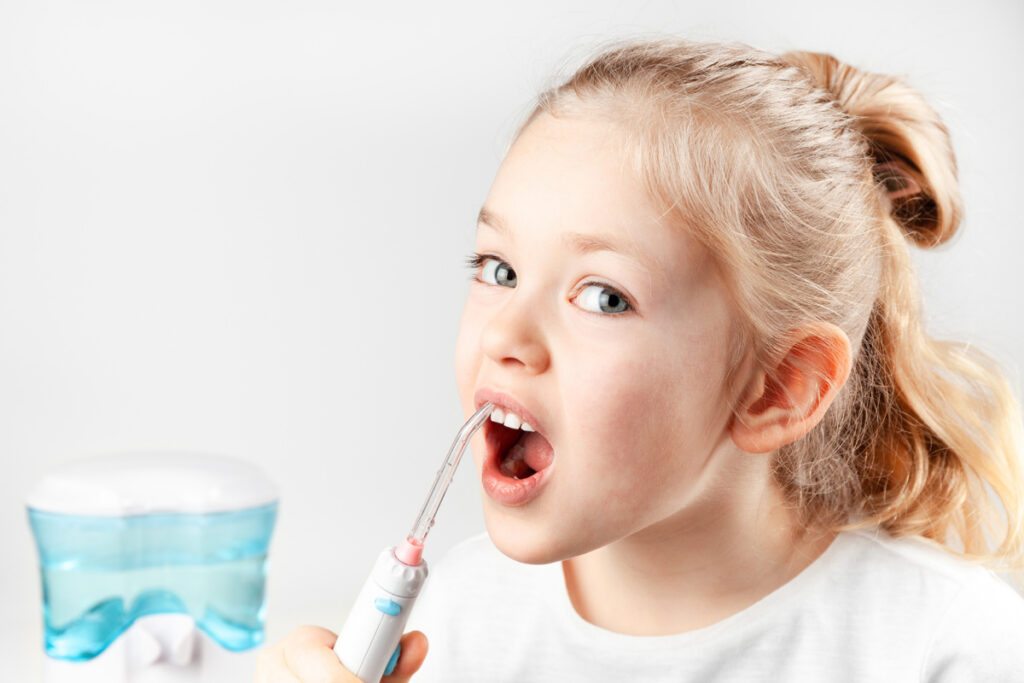
A Waterpik, also called a water flosser, uses a controlled stream of water to clean between teeth and along the gumline. The pressure helps remove food particles, plaque, and bacteria from areas that a toothbrush alone cannot reach.
Many people find a water flosser easier to use than string floss, especially those with braces, sensitive gums, or tight spaces between teeth. While it does not replace brushing, it can be a helpful addition to a daily oral care routine.
Do dentists recommend using a Waterpik before or after brushing?
Dentists generally agree that consistency matters more than perfect timing. That said, there are benefits to both approaches, and the best choice often depends on your habits and needs.
If you are wondering if you should use a Waterpik before or after brushing, the short answer is that either can work when done correctly and regularly.
Pros and cons of using a Waterpik before brushing
Using a Waterpik before brushing can help loosen debris and plaque, so brushing is more effective afterward.
Pros
- Helps flush out food particles before brushing
- May make brushing feel more thorough
- Can be helpful after meals
Cons
- Some people skip brushing if they feel “clean enough” after water flossing
- Takes extra time if the routine feels too long
This approach can work well for people who tend to have food stuck between their teeth.
Pros and cons of using a Waterpik after brushing
Using a Waterpik after brushing allows you to rinse away debris and bacteria that brushing may have missed.
Pros
- Leaves the mouth feeling cleaner and fresher
- Helps remove leftover toothpaste and plaque
- Pairs well with nighttime routines
- Cons
- Brushing first may push debris deeper between teeth if flossing is skipped
- Less effective if brushing is rushed
- For many patients, water flossing after brushing feels like a finishing step.
The best order: Brushing, flossing, Waterpik, and mouthwash
For most people, a simple and effective routine looks like this:
- Brush your teeth
- Use string floss or a Waterpik
- Rinse if recommended by your dentist
If you prefer water flossing first, that is fine too, as long as brushing still happens. The goal is to clean teeth thoroughly without making the routine so complicated that it is hard to maintain.
How often should you use a Waterpik for best results?
Using a Waterpik once a day is usually enough for most people. Some patients with braces, gum issues, or orthodontic appliances may benefit from more frequent use.
If you are unsure how often to use a water flosser, your dentist or orthodontist can offer guidance based on your oral health needs.
When a Waterpik helps most (braces, implants, gum disease, tight contacts)
A Waterpik can be especially helpful if you:
- Wear braces or clear aligners
- Have dental implants or crowns
- Struggle with bleeding or sensitive gums
- Have tight spaces between teeth
Parents who are working to limit the worst foods for kids’ teeth often find that a water flosser adds an extra layer of protection on days when brushing alone does not feel like enough. Used consistently, it can help reduce buildup between visits and support healthier gums.
Many orthodontic patients find water flossers useful alongside professional care like pediatric teeth cleaning in Chapel Hill or adult orthodontics in Chapel Hill.
Is a Waterpik enough, or do you still need to floss?
A Waterpik can be a great tool, but it does not always replace string floss for everyone. Traditional floss is still helpful for scraping plaque directly off tooth surfaces.
If flossing is difficult or uncomfortable, a water flosser is often better than skipping flossing altogether. You can also learn more about why flossing is necessary and how to combine methods effectively.
Common Waterpik mistakes to avoid (technique, pressure, splashing, missed areas)
Some common mistakes include:
- Using pressure that is too high
- Aiming the stream incorrectly
- Skipping certain areas of the mouth
- Using it inconsistently
Starting with lower pressure and adjusting as your gums adapt can make water flossing more comfortable and effective.
How to choose the right water flosser and tip settings for your mouth
Different tips and pressure settings work better for different needs. Orthodontic tips are often helpful for braces, while gentler settings are better for sensitive gums.
If you are unsure which option fits your situation, your dental team can help guide you.
When to talk to your dentist or orthodontist about changing your routine
If you notice bleeding gums, ongoing discomfort, or are unsure whether your routine is working, it is a good time to check in. Our team is always happy to talk through brushing and flossing habits during visits or when you request a dental or orthodontic appointment.
You can also meet the Clifton & Mauney dental and orthodontic team to learn more about how we support long-term oral health.
Ready to build a routine that works for your smile?
A Waterpik can be a helpful part of your oral hygiene routine when used the right way. If you have questions about brushing habits, flossing, or orthodontic care, our team is here to help.
You can request a dental or orthodontic appointment today or learn more about teeth cleaning for kids in Chapel Hill. Families across Chapel Hill trust Clifton & Mauney for clear guidance and supportive care.
Waterpik FAQs
A Waterpik is often better than skipping flossing, but some people still benefit from using both.
Yes, when used on a low setting and adjusted gradually.
This depends on coordination and supervision. Your dentist can help determine when it is appropriate.
Only if recommended by your dentist. Some solutions can damage the device.
Most sessions last about one to two minutes.
It helps clean but does not whiten teeth.
When used properly, it should not.
Mild bleeding can happen at first. If it continues, check with your dentist.
Regular cleaning helps prevent buildup. Follow the manufacturer’s instructions.
Sharing the base with separate tips is usually fine.
It does not hide issues. Clean teeth help your dentist assess your oral health more clearly.